During the 16 Days of Activism against Gender-Based Violence, YW4A Initiative Lead Thabani Ncube shares stories from young women and women leaders from YW4A who are working to address digital and all forms of violence in their communities.
Neema from Kisii County in Kenya did not start as an activist. She joined a leadership training through the Young Women for Awareness, Agency, Advocacy and Accountability (YW4A) programme and began to see that many girls around her had survived sexual and gender-based violence. Kisii has some of the highest reported cases of intimate partner violence in Kenya, and many go unreported. Neema knew she could take action as a young leader, and together with other young women, she created a WhatsApp space where they could share their stories, track cases of violence, and push for action in the county. That space has since grown into a network for reporting and support, and it is where the young women now organise their community talks on rights and leadership. Across the YW4A movement, young women like Neema are using technology to reclaim power and transform online spaces, once marked by fear, into spaces of solidarity and leadership.
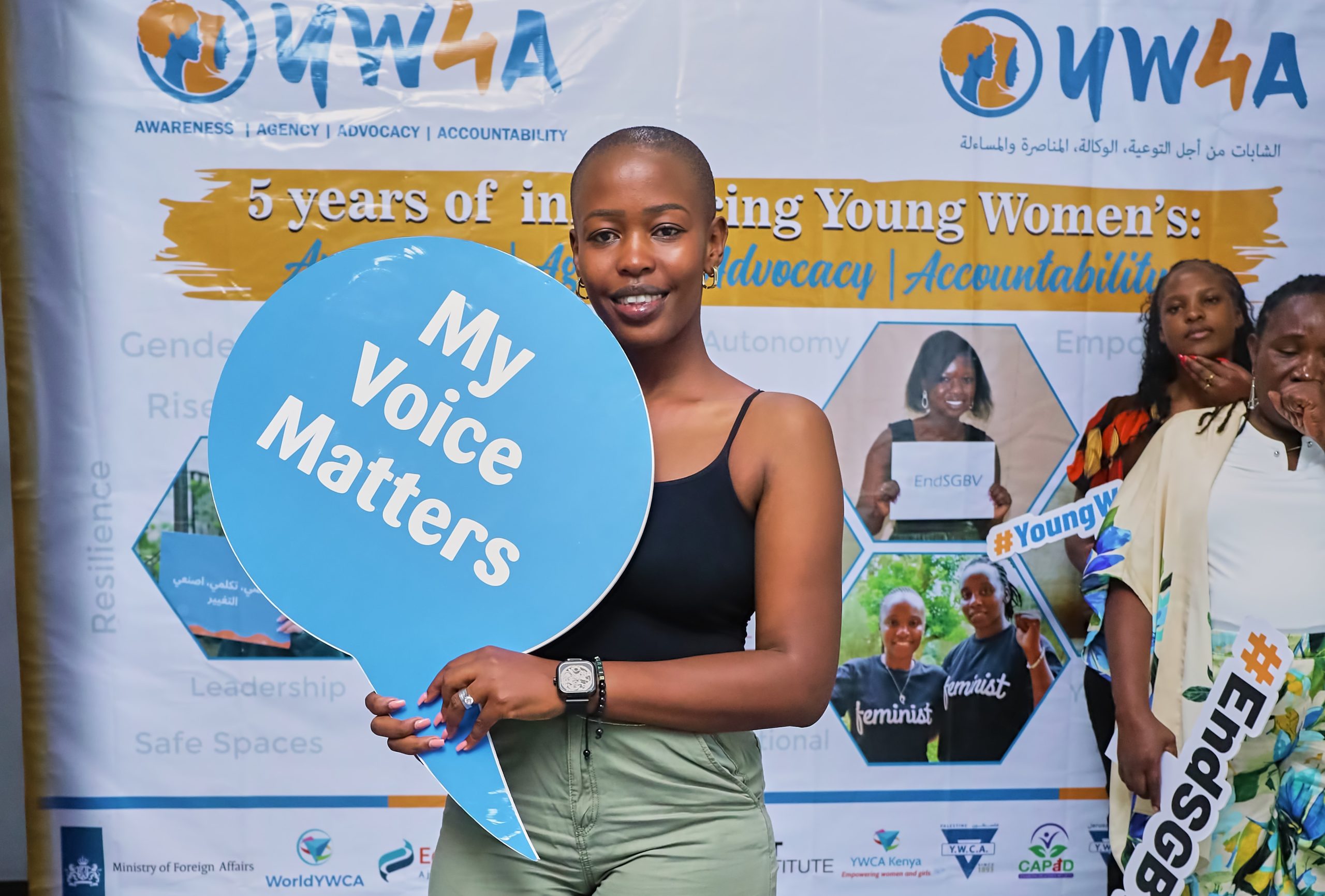
Neema’s story captures the spirit of this year’s 16 Days of Activism theme: UNiTE to End Digital Violence against All Women and Girls. In Egypt, Kenya, Palestine, and South Sudan, young women are using technology to lead, proving that mobilising through digital spaces can strengthen dignity and expand how they organise for their rights.
UNFPA defines technology-facilitated gender-based violence (TFGBV) as abuse carried out or intensified through phones, social media, and other digital tools, including harassment, non-consensual image sharing, blackmail, surveillance, and online threats. The 2024 UNFPA framework calls for survivor-centred and rights-based responses that bring together faith, community, and law enforcement actors. In YW4A countries, online threats reflect the same inequalities young women face offline, yet they use technology to connect, organise, and teach.
In Palestine, online harassment and digital blackmail have become common. About one-third of Palestinian women have faced online violence, and many have closed their social media accounts because of it (The Arab Centre for the Advancement of Social Media). During the ongoing crisis, digital attacks have been used to silence women’s political speech and social activism.
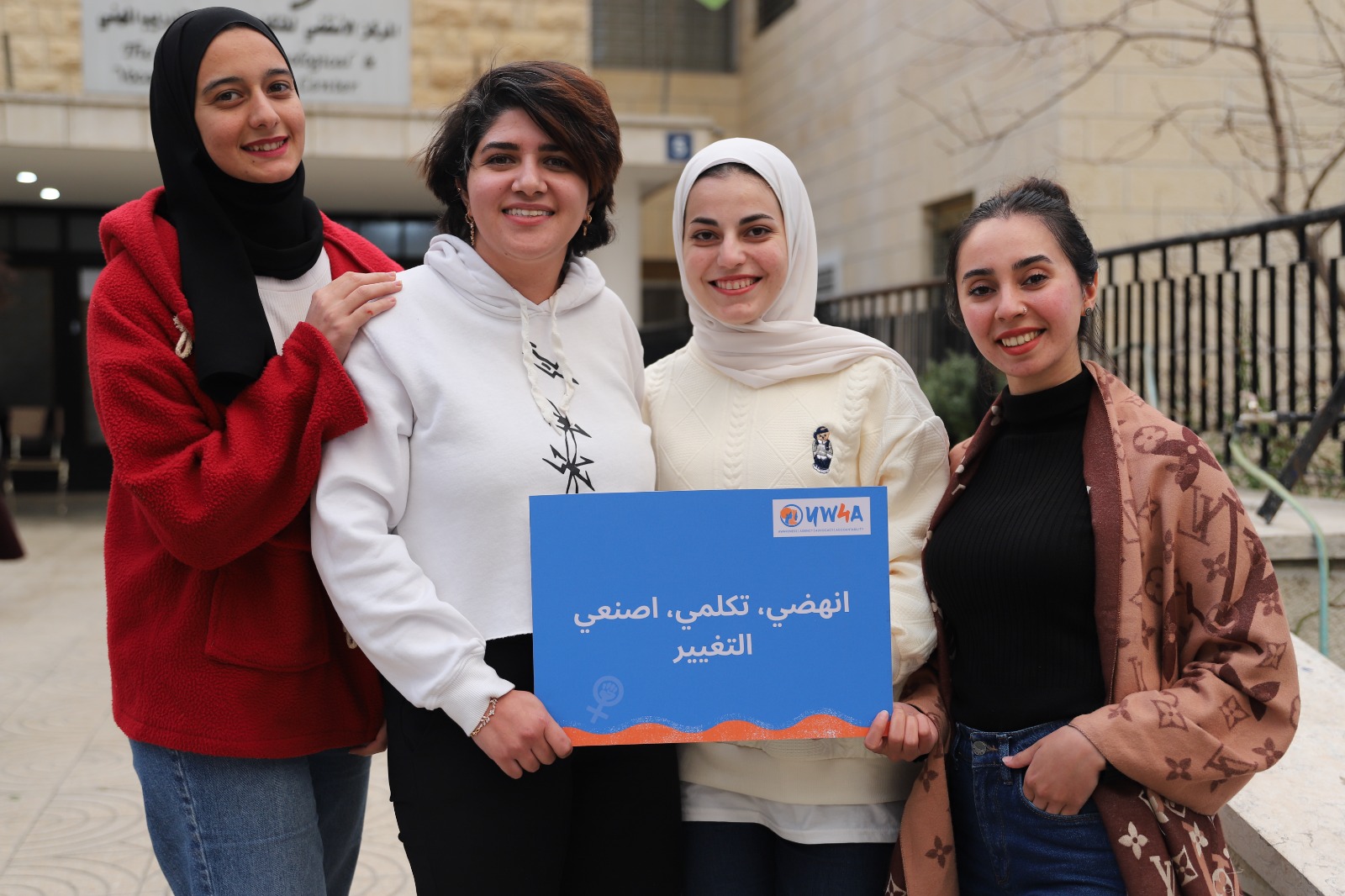
In this environment, young women involved in YW4A are addressing the issues directly and publicly. Hala A-Rishq, a young leader from Anata refugee camp, once faced electronic blackmail, but after taking part in YW4A’s RiseUp!Leadership training, she began teaching other young women about online safety and how to document cases of violence. Faith networks in Palestine are also contributing to this shift. Women and clerics meet through interfaith dialogues and gender justice consultations to review religious texts that have been used to justify control over women and to highlight interpretations rooted in justice, mercy, and equality. These same faith actors are active online through campaigns, social media outreach and virtual meetings that address gender-based violence and reach young women who are navigating digital risks.
In Kenya, the fight against digital violence sits within a broader struggle against femicide and sexual violence. In 2024, young women used platforms such as X, TikTok, and WhatsApp to mobilise nationwide protests after a series of femicides. The #EndFemicideKE campaign became one of the most significant grassroots movements in the country’s history, drawing thousands of people to the streets and sparking county-level dialogue on safety and accountability. At the same time, the YW4A FEMspaces in Kisii, Meru, and Migori counties provide safe environments, both physical and digital, where young women share experiences and coordinate advocacy on sexual and gender-based violence. Faith leaders involved in these initiatives are using sermons and youth sessions to challenge the misuse of scripture that once excused silence or encouraged submission.
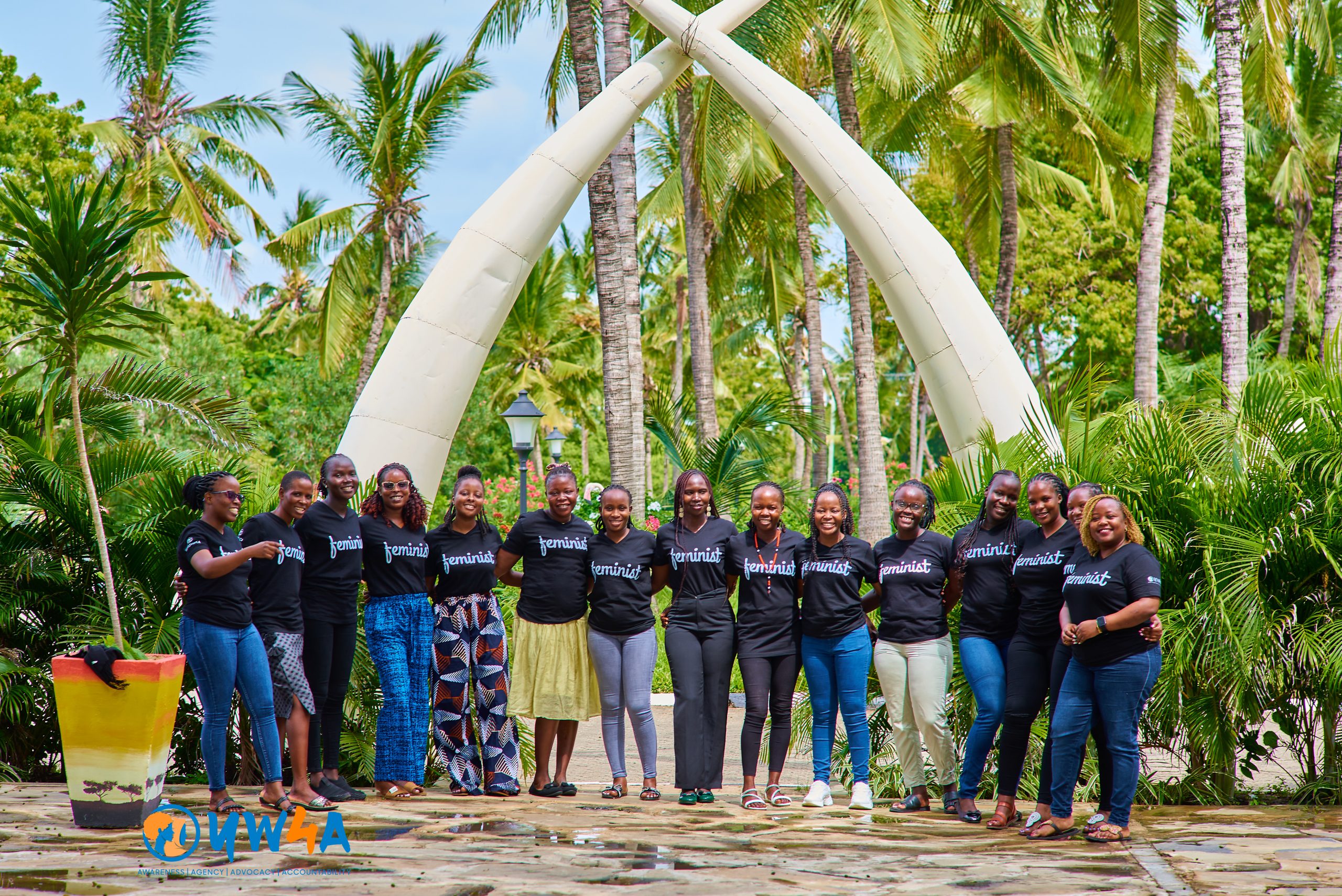
However, recent data shows how quickly technology-facilitated abuse is still rising in Kenya. A UNFPA study published in 2024 reported that 39% of young people in tertiary institutions had experienced online violence, including non-consensual image sharing, cyberbullying, and online defamation. Newer findings show even higher exposure. A 2025 Collaboration on International ICT Policy for East and Southern Africa (CIPESA) review noted that 90% of young adults in Nairobi tertiary institutions had encountered digital violence, while a 2025 Equality Now study documented growing cases of online sexual exploitation, image-based abuse, and extortion affecting women and girls. These patterns reflect the concerns raised in YW4A FEMspaces, where young women speak about dating-app-related harassment, threats linked to image misuse, and the fear of offline violence following digital contact.
In Egypt, harassment through direct messages, photo manipulation, and online defamation continues to target young women, especially those who speak publicly. One young woman spoke about facing online abuse meant to silence her activism and shared that through YW4A training sessions, she learned how to stay safe online and now supports other girls facing similar threats. The partnership with the Ibrahimia Media Centre and church-based networks in Egypt has created youth clubs where digital safety, leadership, and social media advocacy sit side by side. These clubs operate both in-person and online, providing young women with spaces to practise content creation, peer education, and digital campaigning within their communities. Faith partners are also responding to digital violence. The Coptic Orthodox Church has introduced a safeguarding policy on sexual exploitation, abuse, and harassment and set up a WhatsApp hotline for confidential reporting, marking a shift from viewing violence as a private issue to recognising its digital and public dimensions.
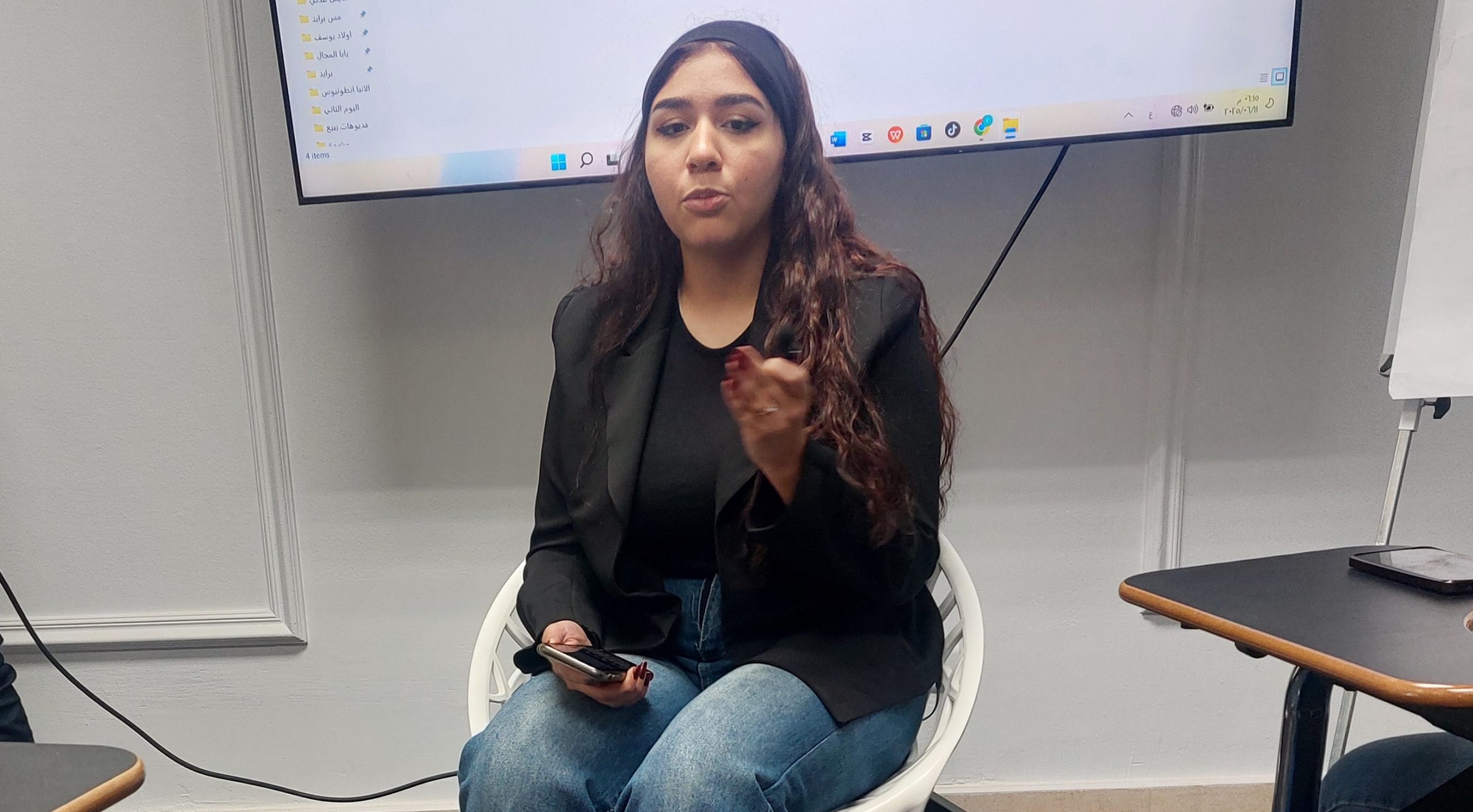
Recent evidence has shown just how widespread technology-facilitated abuse is in Egypt. About 52% of Egyptian women surveyed reported having experienced the non-consensual sharing of intimate images, and 50% had faced online sexual harassment or cyber-stalking (Egyptian Journal of Forensic Sciences, 2022). UNFPA noted in 2024 that Egypt is one of the few countries in the region with legislation that addresses technology-facilitated violence against women and girls, which reflects the scale of the issue. Newer reporting shows continued risks. A 2025 review by DRAYA, an Egyptian initiative that documents digital violence against women, highlights rising cases of manipulated images, extortion through messaging apps, and online defamation targeting young women. These patterns echo young women’s concerns about digital harassment and fears of how this violence can cross into their offline lives.
In South Sudan, online harassment and phone-based threats are rising alongside more traditional forms of violence. One young woman, Roselyn from Yambio, shared that she regularly receives threatening calls and messages linked to her advocacy work. Through YW4A sessions led by SHWDO and CAPaD, she has built a peer network that helps her stay safe online while continuing to support survivors in her community. Connectivity is limited, but digital communication is becoming central to how women report abuse and stay in touch with safe spaces.
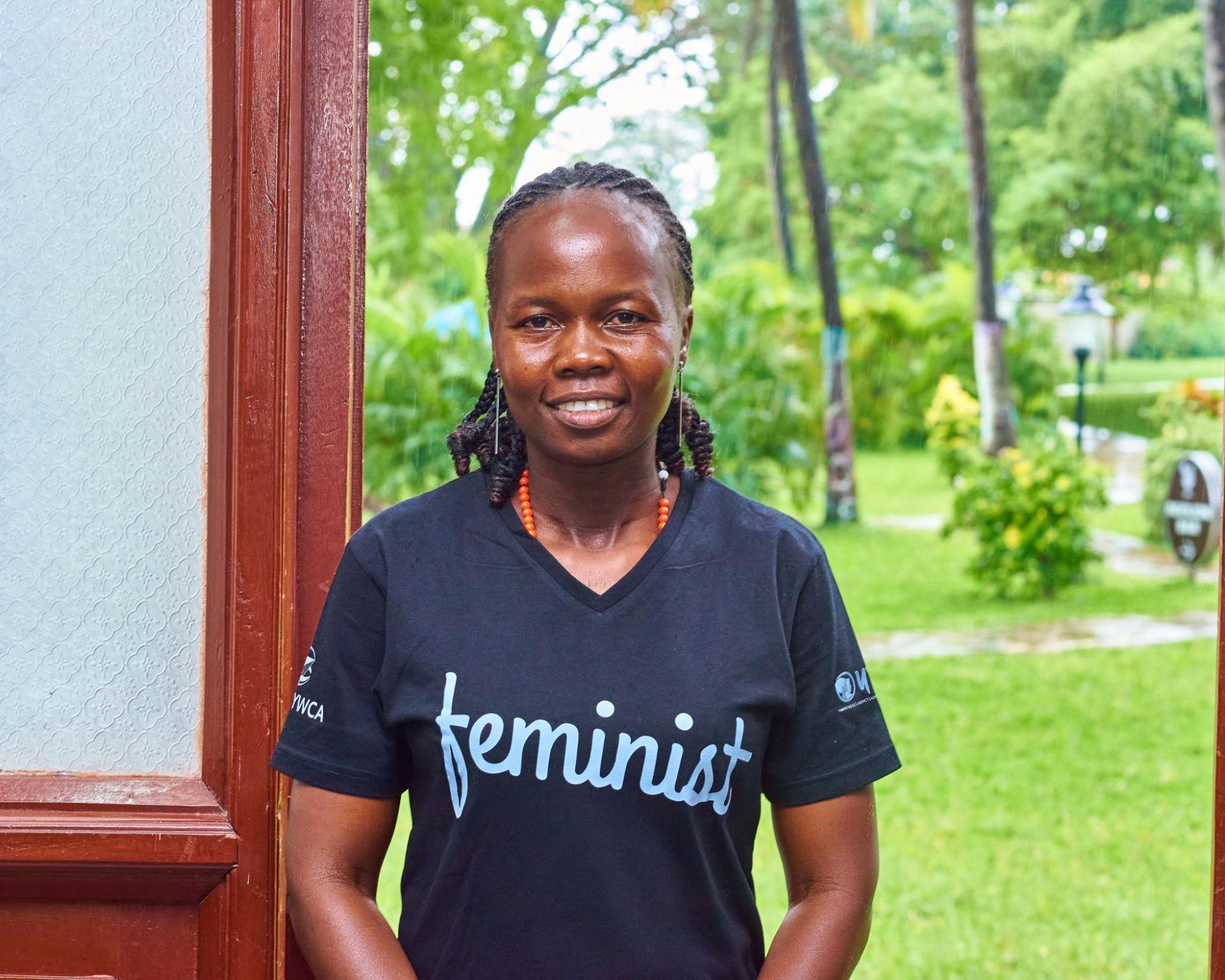
Faith actors in Yambio and Juba are revising church materials and training leaders to recognise and condemn online harassment as a form of violence. Positive masculinity sessions with young men are linking responsible digital conduct with moral and spiritual integrity. Research by the Association for Progressive Communications shows that online gender-based violence remains a significant barrier to women’s digital access in the region. These efforts reflect YW4A’s broader focus on promoting positive masculinities and faith leadership, with an emphasis on safer behaviour both online and offline.
What Still Needs Attention
Across the four countries, several gaps still make it challenging to address TFGBV in a meaningful way. Legislation is uneven. Some countries do not recognise TFGBV in law, others only cover parts of it, and very few have clear procedures for digital evidence, image-based abuse, or cross-platform extortion. Most cases cross borders and span multiple apps, yet cooperation among countries, regulators, and platforms remains weak. Reporting systems are also inconsistent, especially in low-connectivity settings like South Sudan, which limits the speed at which survivors can seek help. Data is another gap. Kenya needs stronger evidence on dating-app-related violence, Palestine needs more documentation on how faith leaders support survivors of electronic blackmail, Egypt needs an analysis of cases coming through new digital hotlines, and South Sudan needs clearer information on how young women navigate digital risks with limited access. Strengthening legislation, improving cross-border cooperation, and building reliable reporting and data systems will be essential if young women are to stay safe online and continue driving the change they have already started.
******************
The Young Women for Awareness, Agency, Advocacy and Accountability (YW4A) initiative, led by the World YWCA with partners in Egypt, Kenya, Palestine and South Sudan, is supported by the Ministry of Foreign Affairs of the Netherlands. It works to secure gender-just laws, policies and practices that protect women’s rights and strengthen their online and offline leadership.